
Toast review: put restaurant service ahead of a software headline
Toast belongs on a restaurant shortlist when kitchen coordination, service and guest orders shape the decision. Comparing it only with a general retail software price misses its purpose. This is a documentation-based assessment by VoVi-owned POS Review. We have not run a live restaurant service or benchmarked Toast against the other providers.
Published by VOVI POS, INC. We have a commercial interest in VoVi. Research-based assessment; no hands-on test or independent customer score is implied.
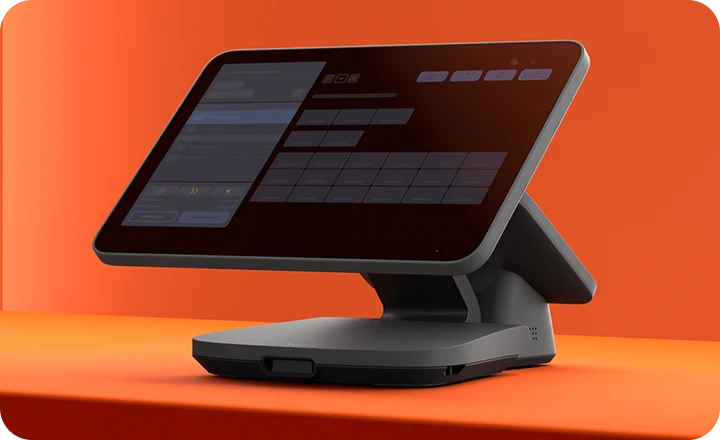
Start with the service model
A counter-service café, a table-service restaurant and a venue combining dine-in with delivery have different failure points. Toast’s restaurant focus is its main reason to be considered. Our editorial view is that a restaurant with complex order routing should evaluate a specialist platform before assuming an inexpensive retail register will be sufficient.
Write down a busy shift as a sequence: order entry, modifiers, preparation stations, timing, payment and close. Include one changed order and one unavailable item. That sequence is a better basis for choosing a system than an isolated payment demonstration, because it includes the people who prepare and serve the order.
Read the starting offer in context
Toast’s current US materials describe an eligible Starter Kit at US$0/month and Point of Sale software starting at US$69/month. Those are starting configurations, not the total cost of every restaurant. Hardware, implementation, additional products and processing arrangements affect the final quote.
The Starter offer is aimed at eligible new, single-location restaurants, with configuration limits. Ask whether the proposal uses an upfront equipment purchase or a payment arrangement that changes processing economics. We leave Toast’s processing field unresolved until a written quote is supplied. Treating an unknown rate as zero would make the comparison unusable.
Make the kitchen part of the demo
Toast’s kitchen documentation covers prep-station routing, modifiers and ticket handling. Those are vendor-described capabilities; our evaluation task is to ask whether the proposed configuration handles your menu and staffing pattern.
Run an order that touches two preparation stations, then change one item. Have staff identify where the change appears and who acknowledges it. Try the same order from a handheld or another sales channel if those are in scope. Record every device and subscription needed. A demonstration is only comparable when the quoted package includes the components that made it work.
Offline service has a defined boundary
Toast documents continuing certain in-store orders and card payments in Offline Mode, with network and device requirements for kitchen continuity. It also states that online ordering is unavailable during the relevant disruption and that merchants are responsible for declined, expired or disputed offline payments.
Use those limits to build a rehearsal. Decide which employee recognizes an outage, how the kitchen continues and who reviews stored payments afterward. Check which guest, loyalty and reporting functions pause. Do not equate local order-taking with a working internet ordering channel, and do not assume a stored card transaction has already been authorized.
The full quote should follow the floor plan
Count countertop stations, handhelds, kitchen screens, printers and network equipment against actual service positions. Then add onboarding, installation, optional guest tools and any workforce products being proposed. Ask for recurring and one-time charges separately.
Also document support and replacement responsibilities. If a handheld fails before dinner, who provides the next working device and what can staff do meanwhile? If payroll or inventory comes from an additional product, establish which supplier owns the data and resolves discrepancies. These are purchasing questions, not claims that a particular problem will occur.
International availability needs local evidence
Toast’s documentation describes regional operations including the US, Canada, the UK, Ireland and Australia, with differences in back-office behavior and available products. The US starter price should not be carried into an international budget.
Request a local menu, receipt, payment and tax demonstration. Include your operating currency and service hours in the brief. A restaurant with a legal or fiscal requirement should obtain configuration-specific confirmation from the provider and its adviser. A multilingual marketing page or an international office address is not sufficient evidence of restaurant eligibility.
Our recommendation
We would favor Toast over VoVi when demonstrated restaurant and kitchen workflows are the deciding requirements. A primarily retail shop or a simple packaged-goods counter may find that specialization unnecessary. Choose according to the complete service test and itemized agreement. If the quote remains incomplete, keep it incomplete in the cost model rather than manufacturing a cheap total.
Sources & verification
Provider details can change. Confirm your written quote and local requirements before signing.