
Lightspeed Retail review: make inventory depth earn its cost
Lightspeed Retail deserves serious consideration when purchasing and stock control are central to the business. A deeper retail system can justify a higher subscription if it fits the operation. This research-based assessment concerns Retail X-Series where pricing is quoted; it does not merge every Lightspeed product into one offer. POS Review is VoVi-owned.
Published by VOVI POS, INC. We have a commercial interest in VoVi. Research-based assessment; no hands-on test or independent customer score is implied.
The purchasing process is the starting point
For a store with many suppliers, variants and replenishment decisions, checkout is only one part of the system. Lightspeed’s retail materials emphasize stock management and purchasing, with supplier-related tools in the wider platform. Our editorial view is that these are more useful reasons to shortlist it than a generic claim that a platform is powerful.
Map a real supplier order before the demo. Include an item received short, a cost change and stock intended for another branch. Follow the information into stock availability and the report used to reorder. A system earns its cost when the buyer and store team can keep that chain understandable.
The billing interval changes the comparison
On the official US X-Series pricing selector, Basic is US$89/month equivalent with annual billing or US$109 with monthly billing. The base configuration includes one register. Extra locations, registers and selected services need their own pricing. The displayed US card-present rate is 2.6% + US$0.10, subject to the merchant agreement.
Compare the term you are actually willing to sign. Twelve times an annual-billing equivalent describes a yearly subscription amount; it does not mean a merchant can leave each month at that price. For multiple locations, use an itemized quote rather than multiplying the first-location headline without checking how the additional locations are charged.
Choose a tier around decisions, not labels
The useful question is which reports and controls your store needs, and which tier includes them. A purchasing manager may need analysis that a sole proprietor does not. A multi-store operator may need permissions and integrations that have little value to a single counter. Ask for each requirement to be mapped to the proposed plan.
During the demo, generate the report you would use on Monday morning. Check its period, location filters and treatment of returns. Export it and compare a few records to the underlying sales. An impressive dashboard is less helpful if the team still has to rebuild its everyday buying sheet elsewhere.
Confirm the product and hardware together
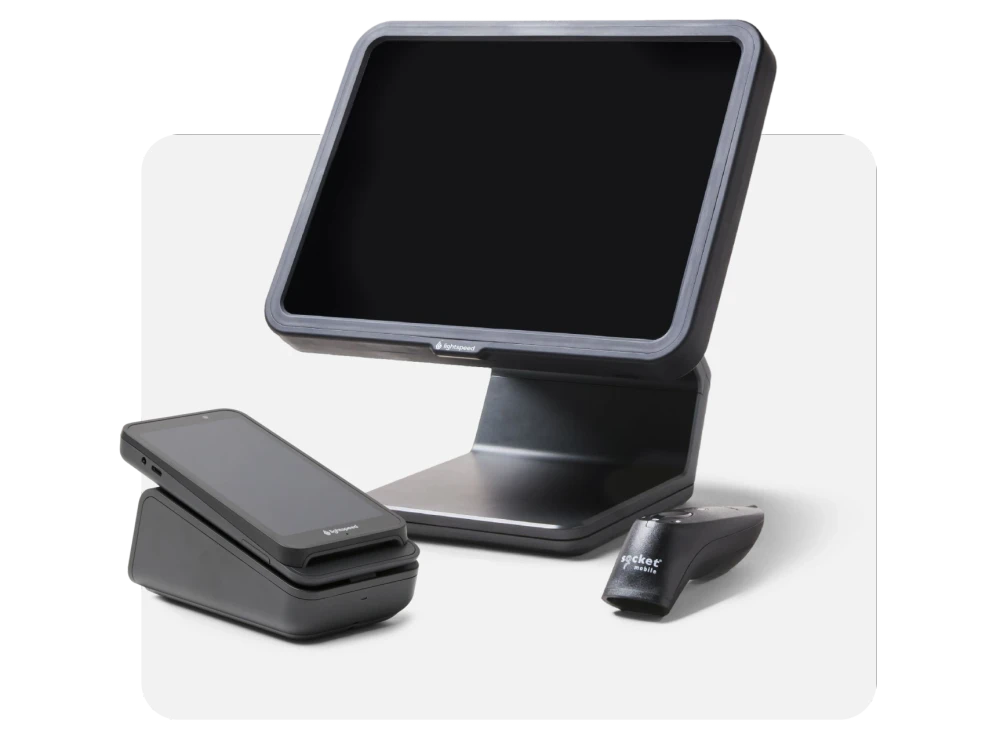
Lightspeed has different product families and regional configurations. A feature or device documented for one series is not proof of compatibility with another. Put the exact product name, country, plan and supported hardware models on the quote and on the acceptance checklist.
Test a barcode scan, receipt, cash-drawer opening and refund using the intended equipment. If you plan to keep a payment provider, obtain confirmation of both the technical workflow and the commercial arrangement. The fact that a manual external payment can be recorded does not establish that an existing terminal will integrate automatically.
International and offline limits
X-Series documentation says one default currency applies to all outlets in an account; selling in other account currencies requires separate accounts. Lightspeed Payments availability is narrower than the full worldwide product footprint. Obtain a local answer for payment providers, fiscal obligations and hardware instead of extending a US quote across borders.
The offline-payment documentation also makes an important distinction: stored payments are not authorized until connectivity returns. A later decline can remain the merchant’s loss. Rehearse the enabled workflow, limits and reconciliation process with the specific terminal. Offline capability should be treated as an operating procedure, not a promise that every transaction is guaranteed.
Budget for getting the data right
A demanding inventory operation can carry years of catalog conventions. Before migration, agree how variants, supplier codes, opening quantities and costs will be represented. Import a sample, inspect it with the buying team and correct the mapping before transferring the whole catalog.
Also identify which history will remain in the previous system or in an archive. Keep a reconciled opening position and a documented cutover time. Do not leave an unexplained stock difference for the first month-end. Include staff training, integration setup and any professional services in the project budget, even if the software quote looks straightforward.
When the extra depth is worth paying for
We would favor Lightspeed when its demonstrated purchasing, reporting and integration capabilities solve requirements that a simpler setup cannot. Compare VoVi when the store needs included core retail tools with less subscription complexity. Neither a lower price nor a longer feature list proves fit. The most useful result is a completed stock workflow, an understandable bill and a support arrangement the team can use.
Sources & verification
Provider details can change. Confirm your written quote and local requirements before signing.